
Rethinking Test Prep

Ditch the Old Habits and Embrace Effective Strategies for Success
When it comes to preparing for those BIG math tests, many teachers fall into well-worn patterns that seem to work—but don't. Whether it's cramming the month before or overloading students with practice tests, some common test prep practices may not actually be helping students achieve the deep understanding needed to succeed. In fact, they may be reinforcing bad habits and bad feelings about testing, success, and failure. So what can we do differently? It's time to break away from these outdated strategies and embrace better practices that will lead to lasting success.

Let’s explore the common test prep practices and the more effective alternatives that will set students up for success.
Bad Test Prep Habits to Break
- “Cramming” the Month Before the Test Cramming might seem like a quick fix to boost memory before a big test, but it only results in short-term recall, at best. Students might remember facts and proce...
Keep Students on Track:
10 Creative Math Activities for Inclement Weather Days (K - Alg 1)
Looking for creative ideas for virtual math lessons for those inclement weather days? Look no further!
I’ve come up with 10 fun activities for each grade level (K- Algebra 1) that are aligned with Common Core standards. These activities are designed to be engaging and easily adapted for virtual learning environments, whether students are your captive audience online or you're cozy with your feet up sipping on soul satisfying tea. Each one incorporates practical math concepts in an interactive and creative way.
They can be done with minimal supplies. Here are the ideas:
Kindergarten

- Counting with Household Items: Have students gather a set of objects from home (like spoons, buttons, etc.) and count them. Focus on numbers up to 20, helping them practice 1-to-1 correspondence.
- Shape Scavenger Hunt: Ask students to find and name shapes (circle, square, triangle, rectangle) in their home. They can draw the shape...
3 Things You Must Do So Students Can Understand Grade Level Math
Math can be a challenging subject for many students, but the right approach can make all the difference in helping them gain deep conceptual understanding. To help students reach grade-level proficiency in math, it’s essential to use strategies that encourage active learning, critical thinking, and collaboration. Here are three effective approaches to help students truly start understanding math.
- Stop "Telling" and Start Asking Students Focused Questions
One of the most powerful ways to encourage understanding is by shifting from a "telling" approach to an "asking" approach. Instead of simply explaining concepts to students, start asking them focused questions that guide them to think critically about the problem at hand. Questions like, “What happens if we add these two numbers?” or “How can we break this problem into smaller parts?” prompt students to explore concepts independently, allowing them to make connections on their own.
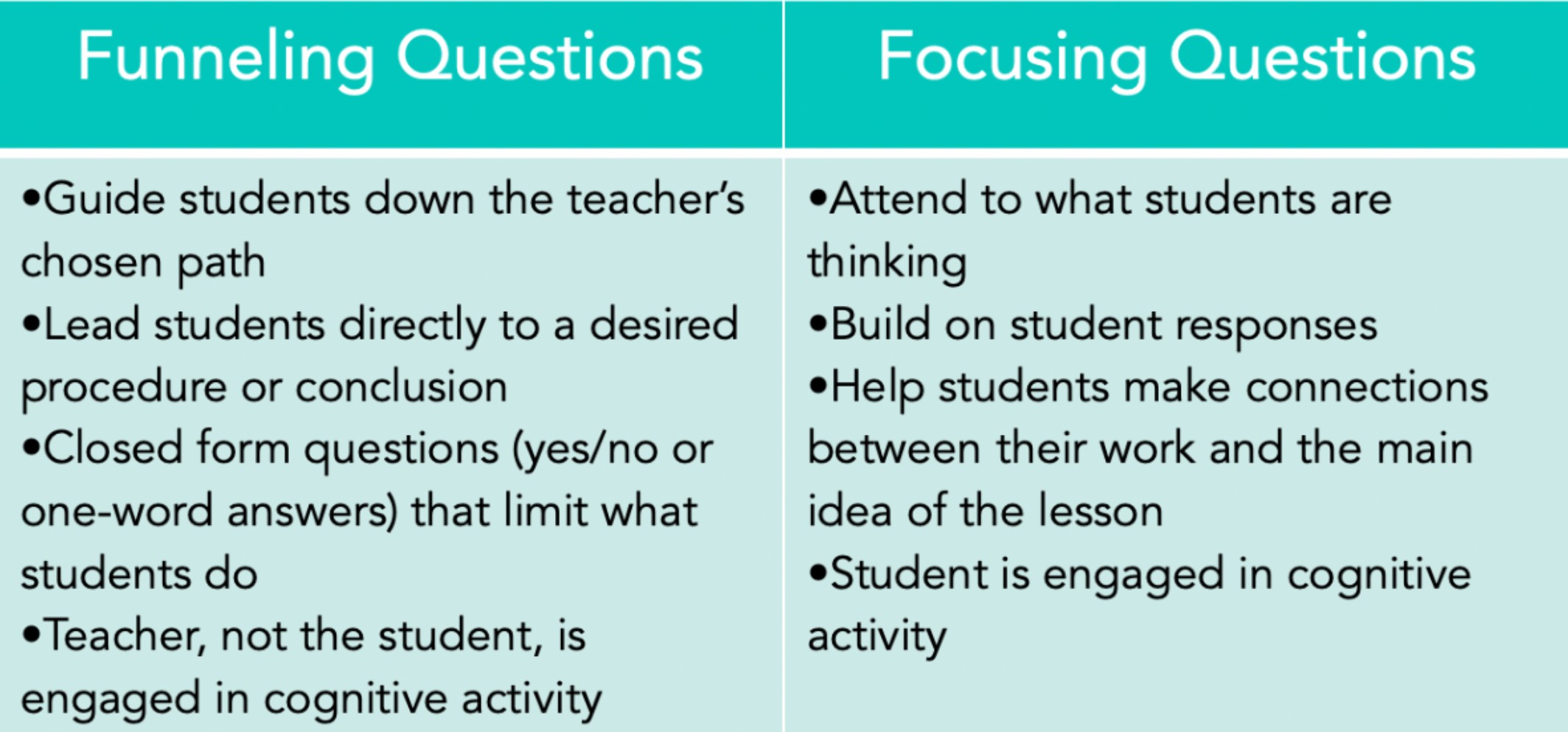
This method encourages deep thinking and he...
IS YOUR DATA GOOD OR BAD?
IS YOUR DATA GOOD OR BAD? 
Imagine the Munchkins in the Wizard of Oz all gathered around Dorothy fearful and wondering. Then Glenda appears all sparkly and asks what everyone wants to know.
“Are you a good witch or a bad witch?”
Just like the benchmark data. Was it a good test or a bad test? Annnnd… the data. Is it good or bad? Should you jump around singing in high pitched voices, or should you run and hide? Or are you the person who must over analyze it and come up with some elaborate intervention plan for every piece of disappointing data?
Should you start painting students red, yellow and green so you can tell who needs to be shuffled into different treatments?
Scratch all this.
You are not in the Land of Oz. Let’s take a trip to the Land of Ah Ha’s instead and do some RED Hot reality checks.
- First of all, data is information, numbers, statistics.
- Secondly, that benchmark test is one set of questions students answer on one day out of their life. ...
Four Fun Ways to Make State Testing Meaningful

Like it or not, State Testing in 2021 is mandatory. I just asked over 85,000 teachers and 50,000 principals a very important question about this:
“What great ideas do you have for making state testing a positive experience this year?”
What happened next surprised me. I was expecting a flood of the usual awesome, inspiring, creative ideas. That’s not what happened. Here is the unanimous response:
From Principals
Crickets.
Not one response or comment. Actually, nine principals messaged me that they were clueless and eagerly waiting for others to respond. I hope they aren’t holding their breath.
From Teachers
Immediate response. No crickets…instead hordes of raucous hyenas clicking on hundreds of laughing emojis and tons of memes with such messages as, “You’ve got to be kidding!!” and “No way!!!”, etc. etc.…………
One grumpy teacher private messaged me, “There is nothing positive about testing this year, and there’s no way ...
Tough Decisions Ahead? Try This and Breathe Easy!

Decisions, decisions. Do I stay or do I go? This job or that job????? Sometimes it’s hard to decide, and you feel stuck in overwhelm, confusion, and even fear of making the wrong choice.
But…this doesn’t have to happen to you anymore! Make your important decisions using a system. The best system I’ve found that works like a charm is the “One-Two-Three Give Me Certainty” method.
Here’s how it works:
Let’s say you’re trying to decide whether to take an offer for a new job in a different district.
Step 1
First brainstorm all the things you want in your “ideal job.” Sit in a quiet, relaxing place to do this, and maybe drown out the world around you with you earbuds tuned in to inspiring music. Set a timer and list away. Keep listing until you’ve exhausted every possible idea.
Step 2
Assign a value to each item on your brainstorm list. 1= Luxury 2= Nice to Have 3= Priority, I Must Have It! (Sometimes, as in the exampl
...I ♥ Math – Deal Me In

Card Games to Learn and Practice Math Skills for K-12
Ask a group of 100 kids, age 5-17 this question: Would you rather play a game or do math?
You know what the vast majority will say. GAME!!
It just makes sense. The best way to make math fun, easy, engaging, and accessible to all learners is to put the math into a game, and cards are a perfect way to deal out some math fun. Cards are easily accessible and highly versatile. It’s easy to practice many math skills at different levels by modifying familiar card games when you include the following basics.
CARD BASICS

Values
- Face Cards = 10
- Jokers = 0
- Ace = 11 or 1
- Number Cards = their number value
Colors
- Red can be negatives and black can be positive
Suits
Each suit can represent a different variable.
- Clubs = c
- Hearts = h
- Spades = s
- Diamonds = d
Now Let’s Turn the familiar game of “I Declare War” and turn it into a math game of “I Love Math.”